

How Do Assisted Living Settings Encourage Mobility for Older Adults?
Assisted living communities in Media, PA are intentionally designed to make daily movement easier and safer for older adults. This is accomplished through a thoughtful combination of environment, support, and programs that target the unique mobility needs many seniors experience. In a typical household, factors like stairs, poor lighting, or slippery surfaces can limit activity. Assisted living adapts these conditions so that residents can move around with greater confidence and independence.
What Features Make Assisted Living Safe for Movement?
The foundation for increased mobility in assisted living starts with the physical environment. Common areas and private rooms are usually planned with reduced risk in mind and accessibility as a priority.
Some of the most helpful features include:
- Wider doorways and hallways to accommodate walkers and wheelchairs
- Non-slip flooring in bathrooms and kitchens
- Grab bars and handrails in corridors, near toilets, and in showers
- Step-free entrances and smooth transitions between rooms
- Good natural and artificial lighting throughout living spaces
These adaptations help reduce tripping and falling risks, making it easier for residents to walk, use mobility aids, or participate in group activities around the community.
How Does Routine Support from Staff Enhance Movement?
Personal assistance is a benefit that directly enables residents to stay active. Trained staff provide varying levels of help with daily tasks—such as getting out of bed, moving to a dining room, or transferring from a chair to a wheelchair—based on individual needs, not just a fixed schedule.
The presence of staff also means help is available if a resident wishes to walk outside, participate in events, or simply stroll the garden safely. Family members may worry about unsupervised falls at home, but the community setting ensures that support is quickly accessible when needed.
Which Programs and Activities Contribute to Maintaining or Improving Mobility?
Assisted living environments typically offer structured activities that encourage movement in enjoyable, social contexts. These are adapted for all ability levels, so residents are motivated to engage but not pushed beyond their comfort or capacity.
Popular options frequently offered include:
- Seated or standing exercise classes
- Stretching or balance routines tailored for seniors
- Walking groups or gentle outdoor strolls when the weather is pleasant
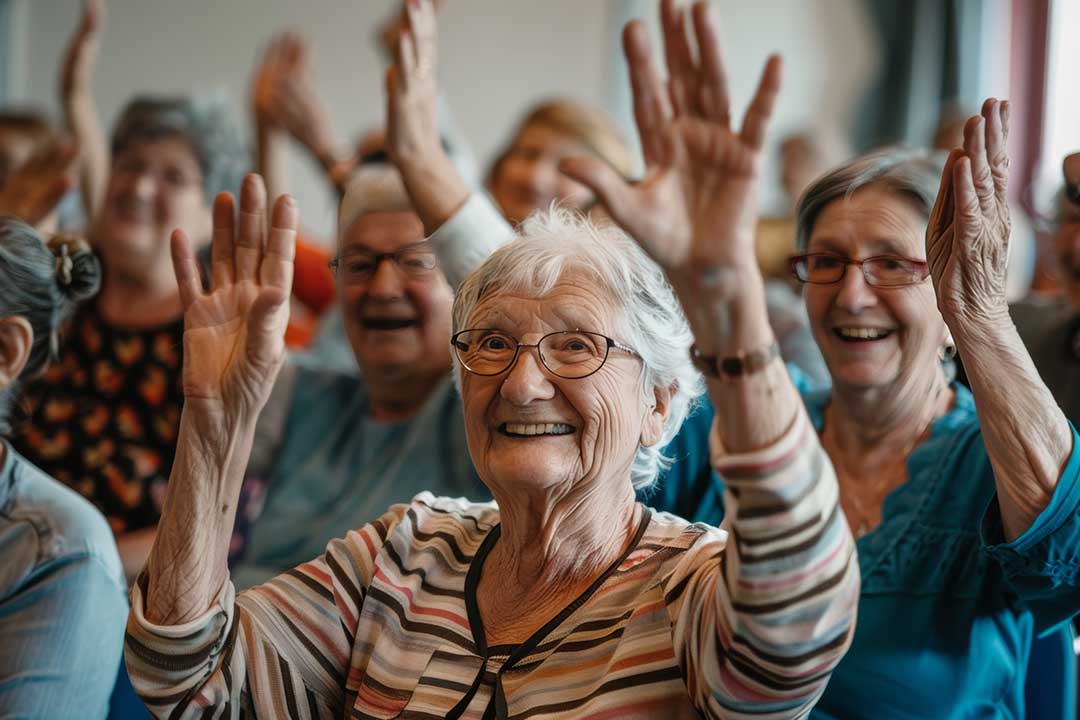
- Dance, music, and movement sessions that make exercise feel playful
Participating regularly in these programs helps residents build strength and flexibility, which can reduce stiffness, improve balance, and lower the risk of falls. Staff often consult with local physical therapists to ensure activities are age-appropriate and safe for those with medical conditions such as arthritis or osteoporosis.
Do Environmental Factors in Media, PA Influence Senior Mobility?
The regional climate, walkability, and infrastructure in Media, PA can affect how both staff and residents plan for outdoor activity. Winters can bring snow and icy sidewalks, making indoor walking spaces and covered patios more valuable during certain months.
Local regulations for accessibility in housing also shape the design of newer assisted living buildings. For example, there are often requirements for accessible parking and direct, ramped entryways to reduce barriers for anyone using a mobility aid.
In the spring and fall, the area's moderate weather supports more outdoor movement—community gardens, courtyard paths, and porches are frequently enjoyed for casual activity. Local residents appreciate the ability to socialize and exercise safely without navigating busy or uneven sidewalks on their own.
Can Assisted Living Environments Adapt if Someone’s Mobility Changes?
Yes. A major advantage of assisted living in the community is flexibility if a resident experiences a change in mobility—such as a new injury, hospital stay, or progression of a chronic illness. Personal care plans are routinely reviewed and adjusted after any health event.
Buildings often have features that can be quickly modified, like adding a shower seat or adjusting bed heights. Staff work with residents to introduce mobility aids, encourage safe use, and help maintain activity levels as much as possible, which can be harder to coordinate outside a community setting.
What Are Common Misconceptions About Mobility in Assisted Living?
Some area households may assume that moving into assisted living leads residents to do less for themselves. However, many local seniors find the opposite is true—they walk more, safely, because the setting removes physical barriers and the risk of being stranded by a fall. There’s also a misconception that mobility activities are only for the very active. In reality, activities are often adaptive and inclusive for people no matter their starting point.
Another overlooked factor is the importance of social encouragement: shared meals, group events, and peer routines motivate residents to keep moving when they might not otherwise do so in a more isolated home environment.
What Practical Steps Can Families and Residents Take When Considering Mobility Support?
Those exploring assisted living in Media can ask to see how the setting accommodates changing mobility needs, such as:
- Checking the accessibility and safety of pathways in and around common spaces
- Observing exercise or movement classes to see the range of accessibility
- Asking about staff training in safe transfer techniques and fall prevention
- Confirming the availability of personalized activity plans or walking support
These considerations help ensure that any transition to assisted living supports—not limits—ongoing independence and physical health for local seniors.
