
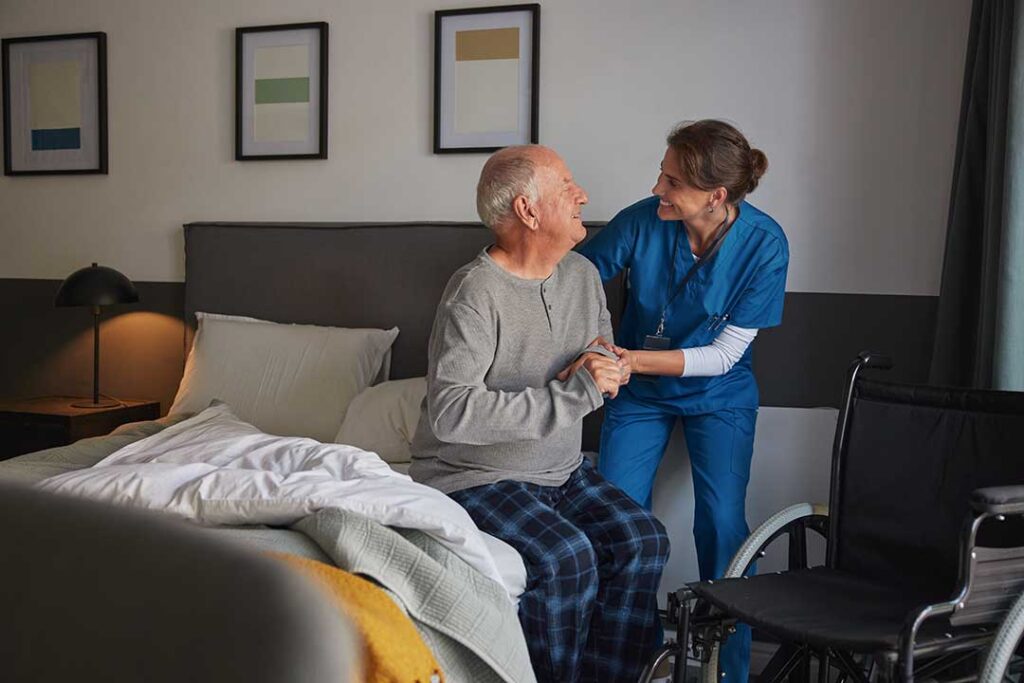
Assisted living events can help family members stay connected, understand daily life, and support a loved one without taking over. In Media, PA, families may participate in events ranging from holiday gatherings and educational talks to exercise programs, music activities, resident meetings, and informal visits.
The most useful approach is to attend with curiosity, respect the resident’s preferences, and recognize that each event has a different purpose.
What counts as an assisted living event?
Assisted living events include organized activities as well as routine gatherings that bring residents, relatives, and staff together. Examples may include:
- Family meals or seasonal celebrations
- Resident birthday gatherings
- Educational presentations about aging, wellness, or memory changes
- Exercise, art, music, or gardening programs
- Religious or spiritual gatherings
- Resident council meetings
- Family education sessions
- Social coffee hours or discussion groups
- Special performances or intergenerational activities
Some events are designed mainly for entertainment. Others provide information, encourage resident input, or help families understand changes in care needs. Knowing the purpose of an event can help a family member participate appropriately.
Should family members attend every event?
No. Regular participation can be valuable, but attending every activity is not necessary and may not suit the resident. A loved one may prefer family members to attend special occasions while maintaining independence during ordinary programming.
Ask the resident directly:
- Which activities do you enjoy most?
- Would you like me to attend, or would you rather go with friends?
- Are there events that feel tiring or uncomfortable?
- Would you like help getting ready or getting to the activity?
- Should I stay for the entire event?
These questions place the resident’s preferences at the center. Attendance should support the person’s social life rather than make the event feel like an inspection or required family obligation.
How can a family member participate without taking over?
The best role is usually that of a respectful participant. Join the activity, follow the same basic expectations as others, and allow the resident to make choices whenever possible.
For example, at a craft activity, a family member can sit nearby and work on the project rather than directing every step. During a group discussion, it is usually better to let the resident answer questions about personal experiences unless assistance is requested.
Avoid correcting a loved one publicly, speaking for them automatically, or discussing private care concerns in front of other residents. If a concern arises, write it down and raise it privately through the appropriate communication process.
Family members should also remember that assisted living events are shared community experiences. A visitor may be there to spend time with one resident, but the event may include people with different abilities, communication styles, cultural backgrounds, and comfort levels.
What should families do before attending?
A little preparation can prevent confusion and reduce stress. Check whether the event requires advance registration, has a guest limit, or involves a fee for visitors. Ask about the expected length, location, dress, mobility considerations, and whether food will be served.
For residents who tire easily, a shorter visit may be more successful than staying from beginning to end. In the local climate, seasonal conditions can also affect participation. Winter cold, summer heat, rain, and slippery outdoor surfaces may make transportation or outdoor activities more difficult. Comfortable clothing, appropriate footwear, and extra time for arrival can help.
If the resident has memory loss, hearing difficulty, vision changes, or mobility limitations, consider practical supports such as:
- Bringing glasses, hearing devices, or a mobility aid
- Choosing a seat with a clear view of the speaker
- Arriving early to avoid a rushed entrance
- Limiting background distractions
- Planning a quiet break if the event becomes overwhelming
Preparation should be supportive rather than controlling. Ask what would make participation easier.
How can family events support communication with staff?
Events provide informal opportunities to learn how a resident is engaging with the community, but they should not replace private care discussions. A family member may notice that a loved one seems unusually tired, has difficulty following a program, or is avoiding an activity that was previously enjoyable.
Those observations can be useful, but they should be shared discreetly and factually. Instead of saying, “Something is wrong,” describe what was seen: “She seemed short of breath after walking to the room,” or “He appeared confused about where the event was held.”

Questions about medication, falls, personal care, finances, or changes in health should be discussed through the community’s established process and not during a public gathering. Privacy matters for the resident and for everyone else attending.
What if the resident refuses to attend?
A refusal does not necessarily indicate a problem. The person may be tired, uncomfortable in groups, worried about being embarrassed, or simply uninterested in that particular activity.
Try asking about the reason without arguing. A resident may be willing to attend for a shorter period, arrive after the activity begins, sit near an exit, or participate in a smaller gathering instead. If refusal becomes frequent and represents a significant change from the person’s usual behavior, share the pattern privately with the appropriate care staff.
Family members should avoid using guilt, pressure, or repeated persuasion. A meaningful visit in the resident’s room, a quiet conversation, or a short walk may be more appropriate than a crowded event.
How should children and guests participate?
Children and other guests can bring energy and connection, but preparation is helpful. Explain that the event may move slowly and that some residents may repeat questions, speak quietly, use mobility equipment, or need additional time to respond.
Children should be supervised and given simple expectations:
- Use indoor voices when requested
- Ask before hugging or touching someone
- Avoid running near walkers or wheelchairs
- Do not take food or personal items from another resident
- Tell an adult if they feel uncomfortable
Guests should also avoid photographing or recording residents without clear permission. Even a friendly gathering may include people who do not want their image or conversation shared.
What if family members disagree about participation?
Families may have different views about how often to visit, which events to attend, or how much help a resident needs. The resident’s wishes should guide decisions whenever the person can express them.
A calm conversation can focus on specific questions: What does the resident want? What support is actually needed? Is there a safety concern, or simply a difference in preference? Are family members reacting to one difficult day rather than an ongoing pattern?
Written notes after events can help relatives compare observations accurately, especially when family members live in different households or cannot attend regularly. The goal is not to produce identical opinions but to share useful information respectfully.
How can attendance remain meaningful over time?
Consistency is often more valuable than frequency. A family member who attends one monthly gathering, joins a favorite activity during visits, or remembers important dates may provide dependable connection without creating pressure.
After an event, ask open-ended questions such as:
- What part did you enjoy?
- Did anything feel uncomfortable?
- Would you attend that activity again?
- Is there someone you would like to sit with next time?
These conversations help families learn what participation means to the resident. Assisted living events work best when they are treated as part of the resident’s community life—not merely as opportunities for family observation. Respectful attendance can strengthen relationships while preserving dignity, choice, and independence.
