

Loneliness in assisted living is common, but it is not an unavoidable part of aging or community living. A resident may feel lonely after moving, even when surrounded by people, especially if familiar routines, neighbors, transportation, or social roles have changed.
The most helpful response is usually not simply “join more activities.” Lasting connection often develops through repeated, low-pressure contact, meaningful conversation, and support that respects a resident’s personality, health, and preferences.
Why can someone feel lonely in assisted living?
Loneliness is the distressing feeling of lacking meaningful connection. It is different from being alone. A resident may spend time with others and still feel lonely if conversations feel superficial or if there is no trusted person to share concerns, memories, or daily experiences with.
Common causes include:
- Grief after the death of a spouse, sibling, friend, or pet
- Moving away from a longtime home or familiar neighborhood
- Hearing loss, vision changes, mobility limits, or speech difficulties
- Depression, anxiety, memory changes, or chronic pain
- Missing former responsibilities, such as cooking, gardening, working, or caring for family
- Feeling unsure about how to enter established social groups
- Family members living far away or having limited availability
- Seasonal conditions that make outdoor activity and travel more difficult
For residents in Media, PA, winter weather, early darkness, and icy sidewalks may reduce visits and outings. During warmer months, heat, humidity, or poor air quality can create similar limits for people with heart or lung conditions. These practical barriers can increase isolation without anyone intending it.
How can a resident tell the difference between loneliness and depression?
Loneliness may improve after a pleasant conversation, a visit, or a meaningful activity. Depression tends to be broader and more persistent, affecting mood, sleep, appetite, energy, concentration, and interest in activities.
A resident or family member should pay attention to signs such as:
- Ongoing sadness, hopelessness, guilt, or irritability
- Loss of interest in activities that once mattered
- Major changes in eating or sleeping
- Frequent complaints of fatigue or unexplained physical discomfort
- Avoiding nearly all social contact
- Statements about being a burden, having no reason to live, or wanting to die
Comments about death or self-harm require immediate attention. Tell a trusted staff member, family member, medical professional, or emergency service without leaving the person alone if there is an immediate danger. Loneliness should not be assumed to be the only explanation for a sudden change in behavior.
What kinds of social activities help most?
The best activity is not necessarily the largest or most popular one. People are more likely to continue activities that match their interests, energy level, communication style, and abilities.
A resident who dislikes crowded gatherings may prefer:
- A small discussion group
- A regular coffee or tea visit
- Listening to music with one or two other residents
- Helping fold napkins, arrange materials, or prepare for an event
- Reading aloud or discussing a newspaper article
- A quiet craft, puzzle, or card game
- Sitting near others during an activity without being expected to talk
A former teacher may enjoy helping with a reading group. Someone who worked with tools may appreciate a simple hands-on project. A person who loves animals may benefit from carefully arranged visits involving a calm, trained animal when permitted by the community and appropriate for the resident’s health.
Repeated contact matters. Seeing the same people at the same time each week can make social interaction more predictable and comfortable. A resident does not have to become highly outgoing to build companionship.
How can family members provide support from a distance?
Family contact is most useful when it is regular, specific, and adapted to the resident’s abilities. A long, infrequent visit may be meaningful, but short predictable contacts can provide reassurance between visits.
Helpful approaches include:
- Setting a consistent day and time for calls
- Using video only if the resident finds the technology comfortable
- Talking about familiar subjects rather than asking only, “How are you?”
- Looking at family photographs together
- Sharing short recordings from grandchildren or relatives
- Sending letters with large, readable print and personal details
- Visiting during a quieter time if busy gatherings are tiring
- Taking a short walk or sharing a snack instead of relying on conversation alone
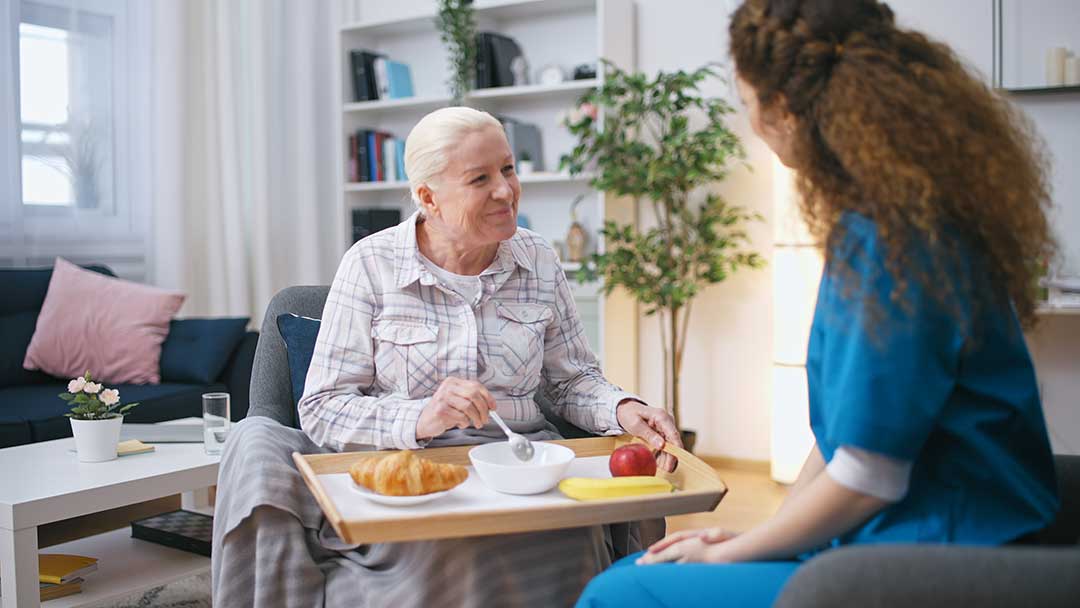
Questions such as “What was the most interesting part of your morning?” or “Which song would you like to hear?” are often easier to answer than broad questions about whether everything is fine.
A visit should also allow room for mixed feelings. Telling a resident to “stay positive” can unintentionally dismiss grief, frustration, or fear. Listening calmly may be more supportive than trying to correct every negative statement.
What if a resident refuses activities or says, “I don’t want visitors”?
Refusal does not always mean a person wants to be alone permanently. It may reflect fatigue, embarrassment, pain, hearing difficulty, anxiety, grief, or a previous uncomfortable social experience.
Pressure can make withdrawal worse. Instead of insisting on a large event, offer two simple choices:
- “Would you rather sit outside for ten minutes or have tea in your room?”
- “Would you like a visit before lunch or later in the afternoon?”
- “Would you prefer listening to music together or looking at photographs?”
Start with brief, familiar contact and allow the resident to leave or stop. A trusted staff member may be able to identify a compatible neighbor or a quieter activity. If refusal is new, persistent, or accompanied by confusion or physical symptoms, it should be shared with the resident’s healthcare team.
How can assisted living communities reduce loneliness?
Reducing loneliness requires more than scheduling activities. The physical setting, daily routines, and social culture all influence whether residents feel included.
Useful practices may include:
- Welcoming new residents personally and introducing them to others with shared interests
- Offering small-group activities in addition to large events
- Providing seating that supports conversation rather than isolation
- Making hallways, common rooms, and outdoor areas easy to navigate
- Accounting for hearing, vision, mobility, and language needs
- Creating meaningful roles, such as welcoming newcomers or helping with a resident newsletter
- Checking in with people who rarely leave their rooms
- Coordinating transportation or safe outdoor access when conditions permit
- Maintaining options during winter storms, heat waves, and other weather disruptions
Residents should not be expected to solve loneliness alone. Staff members and families can compare observations, while respecting privacy and the resident’s right to make choices.
Does technology help with loneliness?
Technology can help when it supports an existing relationship rather than replacing human contact. A simple phone call may be more effective than a complicated video platform if the resident struggles with small buttons, poor hearing, or unstable internet.
Helpful adjustments include larger text, stronger audio, simple instructions, and placing the device where it is easy to reach. A family member can remain on the line while helping the resident join a group conversation or view photographs.
Technology should not become the only form of contact. In-person visits, shared meals, familiar voices, and ordinary daily interactions remain important, particularly for residents with memory loss or sensory changes.
When should loneliness be discussed with a healthcare professional?
Loneliness deserves medical attention when it is persistent, worsening, or linked with changes in mood, sleep, appetite, memory, or physical health. A clinician can review medications, pain, hearing, vision, depression, anxiety, and other conditions that may be making connection harder.
Residents and families can keep a brief record of changes: when withdrawal began, what situations seem difficult, which activities are still enjoyable, and whether symptoms vary by time of day or season. This information can make conversations with healthcare providers more specific.
The goal is not to force constant socializing. It is to help each resident have meaningful contact, a sense of usefulness, and choices about how to spend time. For some people, that may mean a busy calendar. For others, it may be one trusted relationship, a familiar routine, and a quiet place to feel at ease.
